
A 7-Step Checklist to Cut Impulse Spending
Published March 15, 2026 · 6 min read

We've all been there: checking out at the grocery store and grabbing that candy bar, or browsing online late at night and suddenly realizing you just spent $100 on things you didn't even know existed ten minutes ago. Impulse buying is a universal struggle, but it doesn't have to be a permanent one.
1. Implement the 24-Hour Rule
This is the gold standard for curbing impromptu online shopping. When you find something you want to buy that isn't essential, put it in your cart, but don't check out. Close the tab and wait 24 hours. The initial dopamine hit of "discovering" the item will fade, and you'll be able to evaluate the purchase with a clear head. For larger purchases (over $100), extend this to a 48-hour or even a 7-day rule.
2. Unsubscribe and Unfollow
Retailers spend billions of dollars figuring out how to trigger your impulse to buy. Flash sale emails, limited-time discount texts, and targeted social media ads are all designed to create a false sense of urgency. Spend 15 minutes today unsubscribing from marketing emails and unfollowing brands that tempt you to spend money impulsively. Out of sight, out of mind.
3. Calculate Cost in "Hours Worked"
Before buying something, translate its price into the hours you had to work to earn that money. Take the price of the item and divide it by your hourly wage (after taxes). If a jacket costs $150 and you take home $20 an hour, that jacket costs you 7.5 hours of your life. Is it worth a full day of work? Often, the answer is no.
4. Delete Saved Credit Card Info
Friction is your friend when trying to stop impulse spending. If your credit card information is saved in your browser or favorite shopping apps, purchasing takes one click. By deleting your saved payment methods, you force yourself to physically get up, find your wallet, and type out the numbers. That simple delay is often enough to break the impulse cycle.
5. Identify Your Emotional Triggers
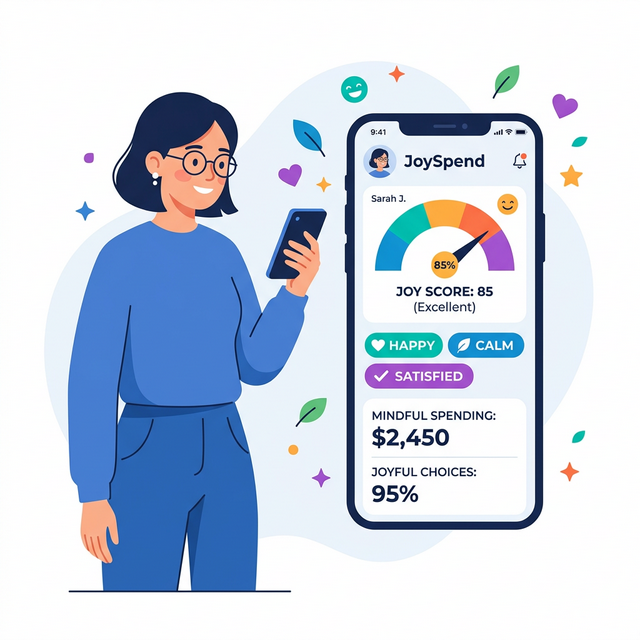
Are you "retail therapy" shopping because you had a bad day at work? Do you buy gadgets when you're bored? Try to recognize what emotions precede an impulse buy. Using an app like JoySpend allows you to tag the emotion associated with a purchase, helping you identify if you're spending to cope with stress or sadness rather than actual need.
6. Create a "Fun Money" Budget
Deprivation doesn't work. If you tell yourself you can never buy anything fun again, you will eventually rebel and binge-spend. Instead, give yourself a guilt-free allowance every month. Whether it's $20 or $200, having a set amount of money explicitly designated for "whatever you want" helps satisfy the urge to splurge without derailing your financial goals. That allowance is the wants slice of a simple plan: the 50/30/20 budget rule puts a number on it, and a digital envelope keeps fun money from quietly borrowing from rent.
7. Keep a "Wants" List
Instead of buying things immediately, write them down on a dedicated list in your phone. Update the list whenever the urge strikes. At the end of the month, review the list and single out the items you still actually want and can afford. You'll be surprised at how many things you completely forgot about just days after adding them.

