
The 50/30/20 Budget Rule: Does It Actually Work?
Published March 25, 2026 · 7 min read
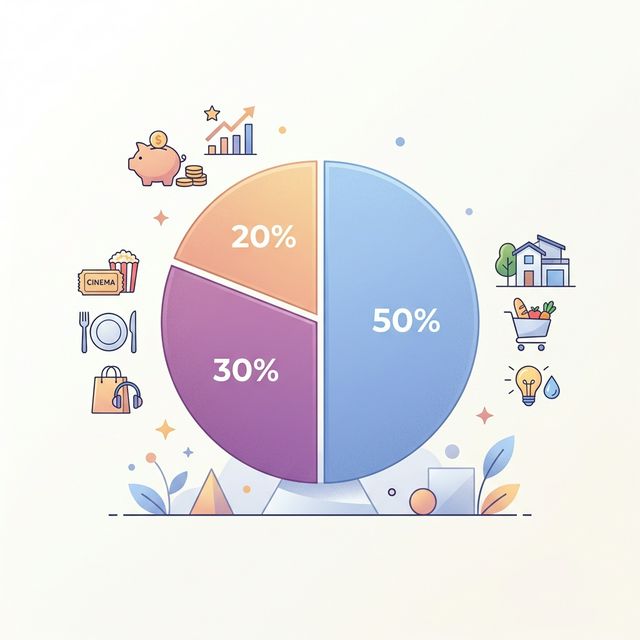
If you've ever Googled "how to budget," you've probably come across the 50/30/20 rule. It's the internet's favorite budgeting method, popularized by Senator Elizabeth Warren in her book All Your Worth. The premise is simple: split your after-tax income into three buckets.
But does this decades-old rule still work in 2026, when housing costs have skyrocketed and side hustles are the norm? Let's break it down.
How the 50/30/20 Rule Works
The idea is elegantly simple — divide your take-home pay into three categories:
💰 50% — Needs
Essential expenses you must pay. These include:
- Rent or mortgage
- Groceries
- Utilities (electricity, water, internet)
- Insurance (health, car)
- Minimum debt payments
- Transportation
🎉 30% — Wants
Non-essential spending that makes life enjoyable:
- Dining out and takeout
- Entertainment (streaming, concerts, hobbies)
- Shopping (clothes, gadgets, etc.)
- Travel and vacations
- Gym memberships
🏦 20% — Savings & Debt Repayment
Building your future:
- Emergency fund
- Retirement contributions
- Investments
- Extra debt payments (above the minimums)
A Real-World Example
Let's say you bring home $4,000/month after taxes:
| Category | Percentage | Amount | Examples |
|---|---|---|---|
| Needs | 50% | $2,000 | Rent, groceries, bills |
| Wants | 30% | $1,200 | Dining, fun, shopping |
| Savings | 20% | $800 | Emergency fund, investments |
When the 50/30/20 Rule Works
The rule works best when:
- You're new to budgeting — it's simple enough to start today without a spreadsheet
- You have a stable income — predictable paychecks make the math easy
- Your housing costs are reasonable — if rent is under 30% of your income
- You want guardrails, not micromanagement — it gives direction without tracking every penny
When It Doesn't Work
Here's the uncomfortable truth: for many people in 2026, the 50/30/20 split is unrealistic.
- High cost-of-living cities: In places like San Francisco, London, or Sydney, housing alone can eat 40-50% of your income, leaving no room for the "30% wants" portion
- Low or variable income: Freelancers and gig workers with inconsistent paychecks can't cleanly divide percentages
- Heavy debt: If you're paying off student loans or credit cards, you may need to allocate more than 20% to debt repayment
- Different life stages: A 22-year-old and a 45-year-old with kids have very different financial realities
Adapted Versions That Work Better
If the classic 50/30/20 doesn't fit your life, try these variations:
| Variation | Needs | Wants | Savings | Best for |
|---|---|---|---|---|
| Classic | 50% | 30% | 20% | Average income, moderate COL |
| High-COL | 60% | 20% | 20% | Expensive cities |
| Aggressive Saver | 50% | 20% | 30% | Early retirement goals |
| Debt Crusher | 50% | 15% | 35% | High debt, payoff focus |
The key insight: the specific percentages matter less than the habit of splitting your income intentionally. Even a 60/25/15 split is infinitely better than spending without a plan.
A Smarter Alternative: Budget by Satisfaction
The 50/30/20 rule treats all "wants" equally — a $50 concert ticket and a $50 impulse purchase get the same treatment. But they're fundamentally different experiences. One creates lasting memories, the other often leads to buyer's remorse.
What if instead of rigidly categorizing spending as "needs" vs "wants," you categorized by how much satisfaction each purchase brings?
This is the core insight behind JoySpend's emotion tracking. Tag expenses Joyful, Good, Okay or Regret. Over time, you don't need arbitrary budget categories — your emotion tags can help you reflect on which purchases felt worthwhile.
The Bottom Line
The 50/30/20 rule is a solid starting point, especially if you're new to budgeting. It's simple, memorable, and better than no plan at all. But treat it as a guideline, not a law. Adapt the percentages to your reality, and don't feel guilty if your rent pushes you to 60/20/20.
And if you want to go beyond percentages and truly understand your spending patterns, try tracking how each purchase makes you feel. You'll discover that the best budget isn't about rules — it's about awareness. JoySpend makes this effortless and free.